

The Importance of a Gas Certificate for Landlords
A gas certificate is issued by an engineer who has been certified after a thorough inspection of the gas appliances inside a property. It provides a complete description of the appliance as well as information about the engineer.
Landlords must have their properties checked regularly in order to safeguard their tenants from carbon monoxide poisoning or other gas-related accidents. This will help them avoid costly repairs as well as legal issues.
Landlords
A Gas Safe certified engineer has checked and approved the gas appliances of the landlord. It is required by law for any person who rents out their property and also safeguards tenants from defective equipment that could result in dangerous accidents. The cost of an inspection is normally between PS60 and PS120. Landlords who do not obtain their gas certificates could face fines and other legal action.
Landlords require a Gas Safety Certificate, or CP12, for each of the gas appliances they have in their homes. This includes cookers and boilers as well as fires and heaters. landlord gas safety certificate uk includes any pipework or flues that are connected to them. Landlords are accountable for the maintenance and repair of their appliances, as well as to ensure that the pipework and flues are safe. They also have to keep a record of their annual gas tests.
If a landlord has gas certification they can present it to potential buyers when they are selling their home. This can help to make the sale go more quickly and smoothly. It can also put potential buyers' minds at rest and assure them that the house is safe and functional to live in.
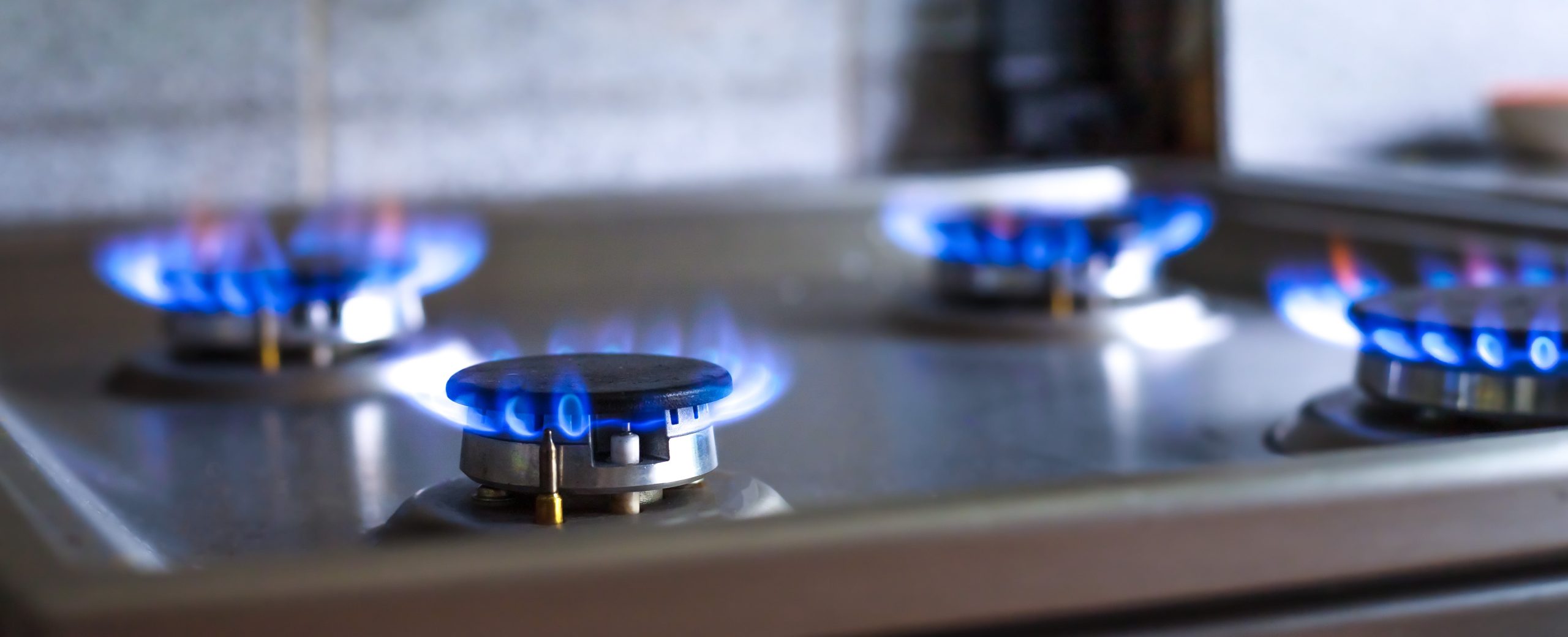
During the inspection the engineer will ensure that all gas appliances are functioning effectively and safely. They will also check the ventilation passages to ensure that carbon monoxide does not escaping into the living space. The engineer will also make sure that the gas connections are secure, and that the gas meter is properly installed and functioning.
The engineer will then write the results of the test onto the Gas Safety Certificate (CP12). It will contain the details of the appliances that were tested. It will also mention whether any are deemed "Immediately dangerous" or "At Risk." Appliances classified as AR or ID need to be replaced as soon as they are discovered. Appliances that are rated as NCS can be used for a limited time but should be replaced as soon as is possible.
The name and Gas Safe Register Number of the engineer who conducted the inspection. The address of the property that was checked. A list of all of the gas appliances that are in the property. Date of the gas safety inspection. An expiry date (typically one year). A copy of the Gas Safety Certificate.
certificate cost are an essential piece of evidence for landlords. It proves that the appliances have been serviced, tested for safety and are able to be used by tenants. Landlords have a legal obligation to perform these annual checks and services to ensure the safety for their tenants. Tenants may also request a copy gas certificates to prove that the house they rent is safe and suitable for living in.
Every rental property is required to possess a valid CP12 Gas Certificate. The certificate is valid for a year, and it is vital that landlords adhere to the renewal process. If they do not face hefty fines, they could be liable and their rental property could be considered illegal to rent out.
A gas certificate is not only a legal requirement, but can also assist landlords in getting the best deal on their insurance. Certain home insurance companies will only protect the landlord only if he's got a valid CP12. It is therefore crucial that landlords verify their gas certificates prior letting their property.
If a house was vacant for a long time, it is advisable to invite an engineer to visit the property once more in order to conduct a fresh inspection. This is due to the fact that the appliance might have been tampered when it was empty, and it is crucial to ensure that everything is secure.
Gas certificates aren't required by law, but they can be helpful when selling your home. A valid gas certificate will help buyers feel at ease, and it will also speed up the conveyancing process.
A gas safety certification is an assortment of three sheets that are colour coded with a yellow triangular indicating "Gas Safe. The letter 'Gas Safe' is located in the upper right corner. The first sheet is intended for the owner/landlord of the property, the second one is for any managing agent who has been appointed, and the third is for the tenant to retain.
The document will include the name and registration number of the Gas Safe engineer that conducted the inspection, along with the list of appliances that were included in the test. It will also state whether the appliance is considered to be Non-Compliance (NCS), Immediately Dangerous (ID) or At Risk (AR). It will also give details of any repairs that were made to the appliance and whether or not it passed its test.
Homeowners
In addition to being an obligation of law in a variety of regions, a gas certification offers many other benefits for homeowners and landlords. For instance, it could assist in preventing accidents that could result from malfunctioning gas appliances or installations. This could result in fires, carbon-monoxide poisoning, or even explosions. The regular inspections performed by an experienced gas engineer will ensure that all of the necessary safety measures are in place to safeguard against these risks.
If you are a landlord or homeowner it is a great idea to have your home inspected by a Gas Safe registered engineer on a regular basis. This will ensure that you and your family are secure from any dangers that could arise and will prevent costly repairs. The gas safety report will provide an in-depth overview of all the appliances and fittings that are in your home. It will also provide their condition and any necessary repairs. The engineer will mark the gas safety certificate in the event that any appliance is deemed unsafe. This will help reduce any risk and permit you to have them disconnected until the problem is solved.
A gas certificate can also be beneficial for homeowners looking to sell their house. This document will demonstrate to potential buyers that the gas appliances and installations in the property is safe. This can help increase the value of your home or allow you to negotiate for the best price.
For landlords, gas safety certificates are a legal requirement and should be obtained on an annual basis. This will help to keep both tenants and landlords protected from any heating or gas-related hazards that could lead to serious injuries and even death. Landlords should ensure they get a new certificate whenever any of the current ones expire, to avoid any legal or fines. Gas certificates can be beneficial for homeowners, since they can boost the value of their property and are required by certain insurance policies or appliance warranty policies.
Commercial operators
The process of obtaining and maintaining a gas certificate is an essential part of managing commercial property. It assures that the business adheres to the correct standards for gas appliances and systems. This reduces the risk of catastrophic events like fires or carbon monoxide poisoning. This helps businesses maintain a positive image with clients, customers and regulatory bodies.
A gas certificate is only valid if it has been issued by an Gas Safe registered engineer, who will visit your home and assess all your gas appliances and accessible pipework. They will check for a number of factors, including a visual inspection and testing for functionality and operation. Additionally, they will confirm that any extraction system is operating correctly to prevent gas leaks. The gas engineer will complete an appropriate safety record and present it to you. The record will contain the date of the inspection, the engineer's name and Gas Safe register number, and an inventory of any issues discovered by the inspector.
Businesses must abide by the law, and get a valid gas certificate. Infractions to this could result in severe penalties or even the closing of their establishment. Insurance companies might also require proof of compliance in order to extend coverage. If businesses fail to provide these documents, they could be liable to legal challenges from customers and employees. This could lead to increased operational risks.
A gas certificate is an essential requirement for homeowners, landlords and commercial operators. It ensures that all gas appliances and pipework are safe for use, safeguarding everyone's health and well-being.
For this reason, it is vital to schedule regular gas safety checks to ensure that all appliances are operating properly. This will not only lower the chance of an accident, but will also save you money on your expenses for energy by ensuring that all appliances work efficiently. This can benefit the environment by reducing emissions and contributing to an environmentally sustainable future. In addition to the obvious benefits the gas safety check is also a great method of showing customers and employees that your company takes the safety of their employees seriously.